
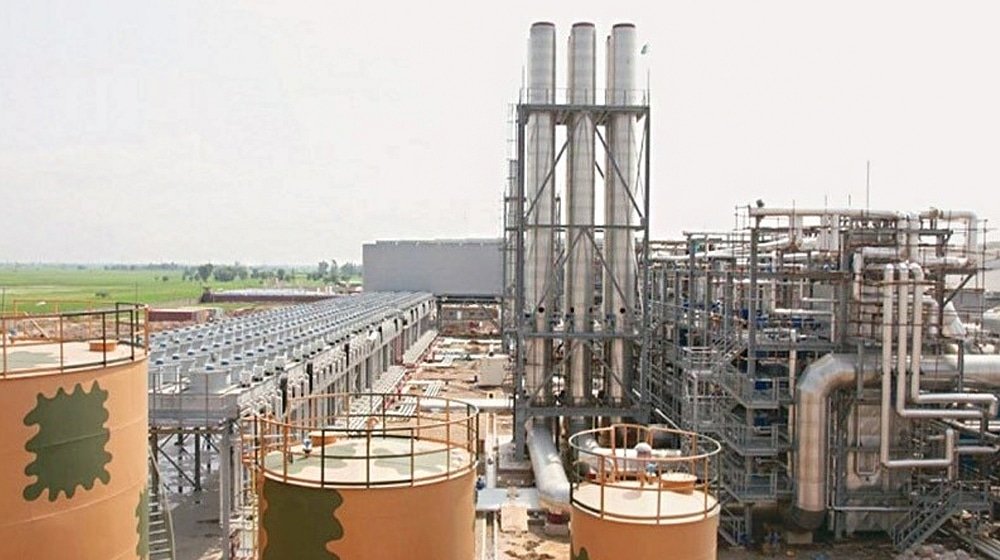
As Prime Minister Shehbaz Sharif’s upcoming visit to China approaches, Chinese Independent Power Producers (IPPs) under the China-Pakistan Economic Corridor (CPEC) have intensified pressure on the Pakistani government to clear their mounting receivables, which have now reached an alarming Rs. 475 billion.
In a series of letters addressed to senior government officials, the CEOs of Chinese CPEC IPPs have raised concerns over delayed payments, with copies of the correspondence also shared with the Chinese Ambassador to Pakistan, according to Business Recorder.
The Ambassador is actively engaging with high-ranking Pakistani officials to ensure the issue is addressed ahead of the Prime Minister’s bilateral meetings with Chinese leadership.
One of the most vocal concerns came from Wang Dongfang, CEO of Port Qasim Electric Power Company (PQEPC), who, in a recent letter, expressed alarm over the growing backlog of tariff payments by the Central Power Purchasing Agency-Guaranteed (CPPA-G). PQEPC operates the 1,320 MW Port Qasim Coal-Fired Power Project, a flagship initiative under CPEC that has been a critical contributor to Pakistan’s energy grid.
According to Wang, the total outstanding dues owed to PQEPC have ballooned to Rs. 81 billion ($286.94 million) as of July 31, 2025, with delays stretching over six months. The CEO warned that the situation could worsen if immediate action is not taken.
“While we highly appreciate the efforts of the Government of Pakistan and CPPA-G in arranging funds and making tariff payments to IPPs, the current backlog has reached a critical point,” Wang wrote. He further cautioned that shareholders and sponsors of the project, including stakeholders from China and Qatar, have expressed “significant discontent” over the delays and are demanding urgent measures to address the issue.
In a stark warning, Wang reminded the government that under Section 9.10 of the Power Purchase Agreement (PPA), PQEPC is entitled to suspend plant operations without incurring liability for Liquidated Damages (LDs) if payments are not made. Such a move, he noted, would have severe consequences for Pakistan’s already strained energy sector.
“Suspension of operations would result in a lose-lose outcome for both sides,” Wang stated, emphasizing that timely payments are essential to ensure sustainable power generation and to avoid defaults under loan agreements and the Government of Pakistan’s Sovereign Guarantee.
Wang also highlighted that PQEPC’s Energy Purchase Price (EPP) tariff is more competitive compared to oil- and RLNG-based power plants, making it a vital component of Pakistan’s energy mix.
Editorial & Legal Practice Group
Authored and reviewed by the corporate law and tax litigation practice group at Javid Law Associates. Our team comprises High Court advocates, corporate legal advisors, and authorized tax practitioners across Pakistan.
Advocates High Court & Tax Counsel
Jurisdiction: Pakistan