
China’s Ningxia Communications Construction (NXCC) consortium has raised its concerns with the Special Investment Facilitation Council (SIFC) over delays in awarding the multibillion-rupee Tranche-III project.
The NXCC consortium, comprised of its local JV partners Rustam Associates and Dynamic Constructors, wrote a letter to Director General SIFC Major General Asad Ur Rehman Cheema, expressing serious concerns over the delay in finalizing the project despite its approval by all relevant forums.
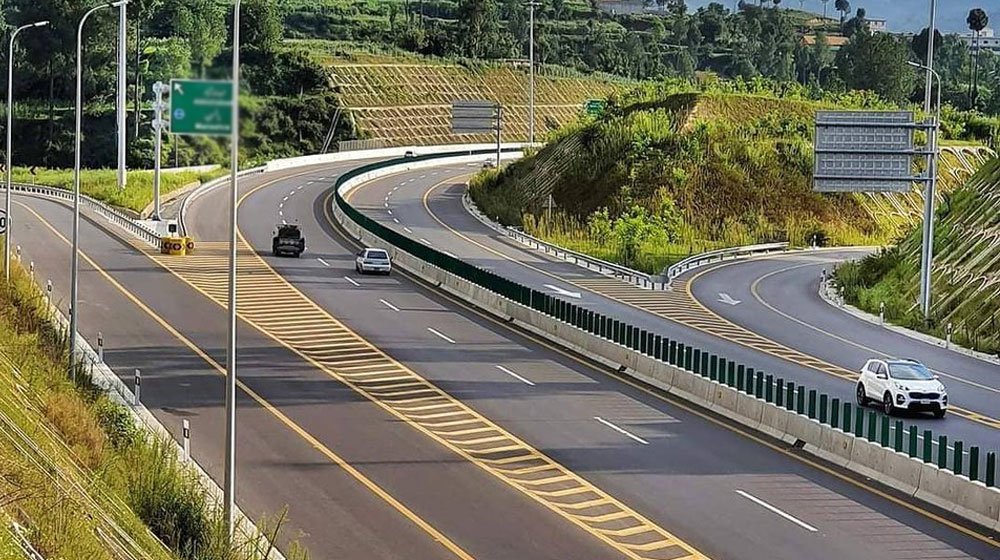
Tranche-III is part of CAREC, a $471.9 million project that includes a loan of $360 million from the Asian Development Bank (ADB) and USD 111.9 million from the government of Pakistan. It aims to upgrade the 326-kilometre Rajanpur–Dera Ghazi Khan–Dera Ismail Khan section of the Indus Highway (N-55) with climate-resilient works and NHA capacity building.
The consortium appealed to the SIFC to ensure the immediate award of the project in line with ADB and government approvals, while also preventing the misuse of parliamentary platforms for commercial interests.
“We remain fully committed to mobilizing and delivering this vital project before the loan closing date, ensuring 100 per cent utilization and timely completion,” wrote Zou Yongchao, the authorized representative of NXCC-RA-DC JV.
According to the consortium, the tender was floated in July 2024, bids were submitted in August 2024, and after a rigorous international procurement process, their bid was declared the lowest evaluated across all four lots, offering a saving of nearly Rs 13.2 billion for Pakistan compared to the second-lowest bidders. The ADB reviewed the process in detail and issued its No Objection Certificate (NOC) in April 2025. The award was subsequently endorsed by the NHA Executive Board, the CDWP, and formally inaugurated by Prime Minister Shehbaz Sharif in February 2025.
Despite these clearances, the project has stalled due to persistent challenges raised by losing bidders, allegedly linked to Senators Abdul Qadir and Ahmed Khan.
The consortium alleges that these second-lowest bidders are leveraging their political positions to push for re-tendering, a move that could delay the project award until 2027 and jeopardize loan utilization before its November 2027 closing date.
The letter highlights that Senator Saif Ullah Abro has also engaged in the matter through the Senate Standing Committee on Economic Affairs, issuing reports of alleged collusion and document manipulation. However, concerns have been raised about Senator Abro’s dual role as both regulator and competitor in the construction sector, casting doubt on the impartiality of these inquiries.
The consortium warned that any further delay risks losing 25-30 per cent of project funds, escalating costs, and sending a negative signal to international investors about Pakistan’s investment climate. “For foreign partners, this raises a very worrying question: if even after winning fairly, with ADB’s approval and the Prime Minister’s inauguration, a project can still be blocked, how can foreign companies feel secure investing in Pakistan?” the letter stated.
In comparison, the consortium pointed out the weak track record of the agitating firms in previous ADB-funded projects, while highlighting their own strong performance on the Gilgit–Shandur project and partnership with NHA and WAPDA in northern Pakistan’s infrastructure development.
Editorial & Legal Practice Group
Authored and reviewed by the corporate law and tax litigation practice group at Javid Law Associates. Our team comprises High Court advocates, corporate legal advisors, and authorized tax practitioners across Pakistan.
Advocates High Court & Tax Counsel
Jurisdiction: Pakistan