
Pakistan can retire some imported coal assets early and still save money. A new report shows the move could be economically viable. Moreover, it could offer a model for wider coal phaseout.
Between 2014 and 2019, Pakistan fast-tracked a coal power buildout under the China-Pakistan Economic Corridor. The push added roughly 3.6 gigawatts of coal capacity quickly. Overall, nine projects promised about 10.4 gigawatts of imported coal capacity. Those plants eased load shedding. However, they also created costly take-or-pay liabilities.
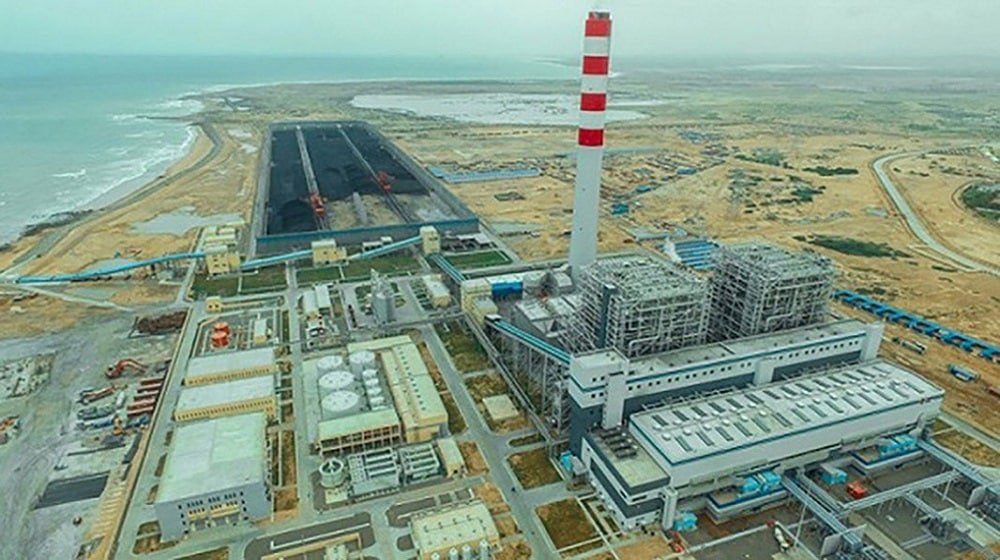
The Sahiwal coal plant illustrates the problem. The 1,320 megawatt Sahiwal plant began operations in October 2017. China’s Huaneng Shandong Ruyi Energy built the plant under a 30-year power purchase agreement. The deal guarantees a 27.2 percent return on equity and a 50 percent minimum off take.
Almost a decade of debt service has passed. Yet utilization at Sahiwal fell below 20 percent.
Cheaper rooftop solar and weak industrial demand cut dispatch. Meanwhile, receivables in the single buyer market exceeded PKR82.7 billion. That is roughly $294 million based on current exchange rates.
The report models early retirement pathways for Sahiwal. It finds that closure can occur with a compensation range of $0.4 billion to $1.5 billion under modest five to ten-year acceleration scenarios.
In one scenario, the upfront cost could be under $100 million. That contrasts with an estimated $5 billion in capacity payments if the plant runs under existing terms through 2046. Therefore, early retirement looks financially sensible in several cases.
The analysis highlights two primary pathways.
First, an upfront buyout. Under this option, the government pays a lump sum to compensate owners for foregone future cash flows. Second, a negotiated reduction in the return on equity. That accelerates equity value recovery while lowering future payouts.
In both cases, policymakers can redirect funds from coal to clean projects. That would benefit investors and the state.
The climate case also supports retirement.
Stopping Sahiwal early could avoid 27 million to 38 million tons of carbon dioxide over a 10-year reduction window.
Thus, the move could attract climate and transition finance. Both Western and Chinese financing channels could supply funds. Energy Transition Mechanisms used in the Philippines and Indonesia offer precedents.
Nevertheless, challenges remain. Pakistan faces complex fiscal and contractual obligations. Sovereign guarantees and dollar-indexed tariffs complicate negotiation. Also, systemic fiscal stress and circular debt limit fiscal space. Thus, careful design will matter.
Still, the timing could help. Debt amortization on some plants is near completion. Equity returns now dominate cash flows. That makes Sahiwal a logical pilot for a wider program. If successful, it could unlock repeatable deals for other plants.
Finally, the report calls for clear policy steps.
First, adopt transparent valuation methods for buyouts. Second, set technical standards for emissions accounting. Third, mobilize blended finance and transition credits.
Together, these measures could make early retirement both bankable and scalable.
About the Author
Written by the expert legal team at Javid Law Associates. Our team specializes in corporate law, tax compliance, and business registration services across Pakistan.
Verified Professional
25+ Years Experience