
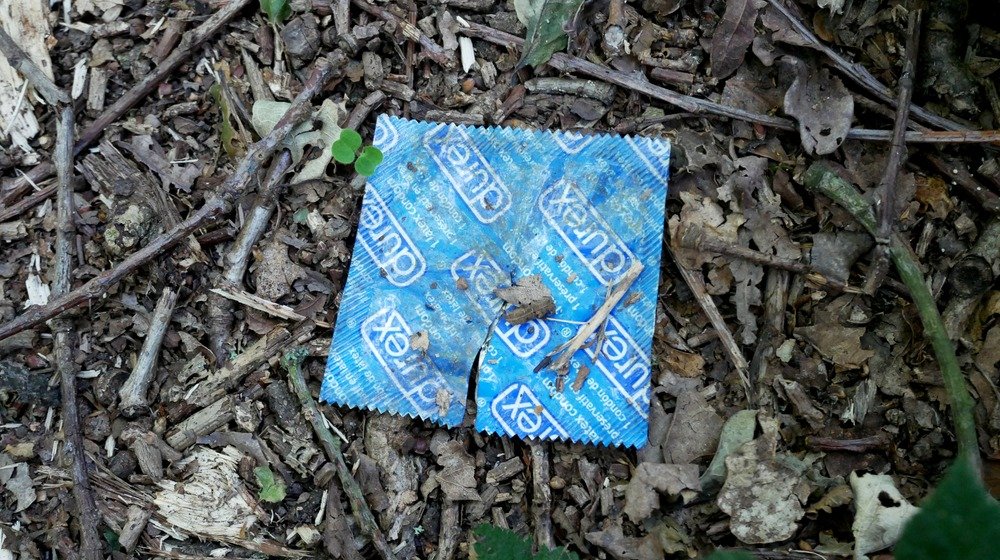
Pakistan’s bid to make birth control more affordable has hit a wall after the International Monetary Fund (IMF) refused to allow the government to abolish the 18 percent General Sales Tax (GST) on contraceptives before the next federal budget, despite clear instructions from Prime Minister Shehbaz Sharif and alarm over the country’s rapid population growth.
As a result, condoms and other contraceptives will remain subject to GST for now, keeping prices elevated in a country where the population is expanding at an estimated 2.55 percent annually one of the highest rates in the world.
According to a report by a national daily, the IMF has “outrightly” rejected the Federal Board of Revenue’s (FBR) proposal to immediately withdraw GST on contraceptives, effectively stalling the prime minister’s August 2025 directive to make birth control products cheaper and widely available nationwide. There is therefore no immediate prospect of a price reduction, despite mounting demographic pressures.
The report said the prime minister had directed the FBR in August 2025 to take up the matter with the IMF, but months of engagement produced no breakthrough. During a recent meeting at the Prime Minister’s Office, it emerged that the FBR had failed to obtain IMF consent despite repeated attempts.
According to officials, the FBR formally approached IMF headquarters in Washington, D.C. via email, seeking permission to scrap GST on contraceptives. The FBR estimated the revenue impact of the measure at between Rs. 400 million and Rs. 600 million. However, the IMF’s Fiscal Affairs Department showed little inclination to support the move.
A subsequent virtual meeting was held in which Pakistani authorities conveyed the prime minister’s wish to abolish GST on condoms with immediate effect. IMF staff rejected the request, arguing that no tax relief could be granted midway through the fiscal year, particularly when the FBR is already under pressure to meet a revised revenue target of Rs. 13.979 trillion, down from Rs. 14.13 trillion, for FY 2025-26. The Fund made it clear that any such relief could only be discussed in the context of the 2026-27 budget.
Pakistani officials also floated proposals to reduce GST on sanitary pads and baby diapers. These ideas, too, met firm resistance from the IMF, which cited large revenue implications, especially in the case of baby diapers, where the tax base is estimated at close to Rs. 100 billion.
The IMF further argued that selectively relaxing taxes on contraceptives or diapers could complicate enforcement for the FBR and potentially encourage smuggling of these items.
Editorial & Legal Practice Group
Authored and reviewed by the corporate law and tax litigation practice group at Javid Law Associates. Our team comprises High Court advocates, corporate legal advisors, and authorized tax practitioners across Pakistan.
Advocates High Court & Tax Counsel
Jurisdiction: Pakistan