
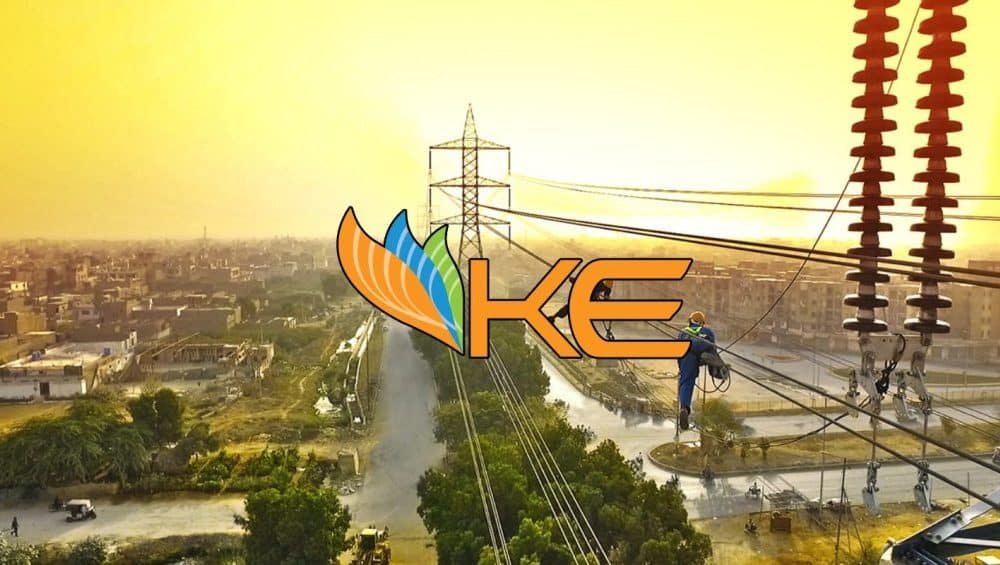
K-Electric’s (KE) Multi-Year Tariff (MYT) that covers the control period from FY24 to FY30 comes as a significant development for Pakistan’s power sector. It shows regulatory progress and a signal of a positive investment climate developing in the country.
With the approval of the MYT, KE can now move to implement its investment plan 2030 that envisions increasing share of renewables up to 30%– which effectively brings down tariff given its cost-efficient projects – as well as the customer base. It also means KE will have set targets till FY 2030.
This long-term clarity also helps achieve commercial viability—necessary to reduce burden on KE investors, unlock further investment in infrastructure, and improve service quality across the country.
But apart from KE-specific variables, what it does is give a direction to Pakistan’s investment climate. The country is serious in attracting inflows. Foreign and local investors are to be prioritized. This is a welcome sign for the country.
Regulatory unpredictability had been an obstacle to investment in Pakistan’s energy sector. Unclear rules and shifting policies have usually discouraged both domestic and foreign investors.
Being in line with the National Electricity Policy and Plan, KE’s MYT helps restore investor confidence by offering a consistent framework for cost recovery, performance incentives, and investments through 2030. Such certainty is essential for long-term infrastructure projects and sets a benchmark for future DISCO privatizations.
Privatizing DISCOs has long been on Pakistan’s reform agenda, but investor hesitation and regulatory uncertainty have slowed progress. There was a MYT on KE before as well. But that period did not really help attract investment. The current MYT could be the change.
With KE now operating under a clear and investment incentivizing MYT, the government has a credible case for private sector participation in the remaining public utilities.
If KE can demonstrate improvements in efficiency, service quality, and financial sustainability under this model, it will help validate the broader privatization agenda. For potential investors, KE becomes a real-time test case rather than a theoretical example.
Pakistan’s current environment does not penalise inefficiency as it allows DISCOs, other than KE, to pass costs onto consumers through a PHL surcharge that all consumers in the country pay. This includes consumers in KE’s serviced territory.
In contrast, KE’s MYT ties returns to performance benchmarks, such as reducing technical and commercial losses, improving service quality, and investing in infrastructure. Embedding similar models into other DISCOs would ensure privatization brings real improvements rather than just a change in ownership.
This also reflects a broader commitment to structural reform in the power sector. For investors—whether sovereign wealth funds, international financial institutions, or private equity—this move shows that Pakistan is taking credible steps to stabilize and modernize its energy market.
It repositions the sector from a liability on the public balance sheet to an investable opportunity with clear policy backing and regulatory consistency.
With regulatory clarity in place, KE and other potential privatized DISCOs are better positioned to attract capital. These investments will support critical upgrades in infrastructure, expand access to electricity, and improve reliability—all vital for industrial productivity and economic competitiveness.
The multiplier effect is significant. Upgraded energy infrastructure can boost employment, support ancillary industries, and lower production costs for domestic manufacturers.
One of the most pressing issues in Pakistan’s energy sector is circular debt—currently hovering over PKR 2.4 trillion. This arises largely from inefficient DISCOs and poor recoveries.
Private, performance-driven utilities like KE, operating under a transparent MYT, can help reverse this trend. By improving recoveries and reducing losses, they reduce the need for government subsidies and emergency bailouts—allowing public funds to be redirected to development and welfare spending.
In a challenging macroeconomic environment, KE’s MYT approval stands out as a rare but meaningful step toward transparency, sustainability, and progress. If used as a blueprint, it can help unlock the full potential of Pakistan’s power sector and, with it, its economic future.
Editorial & Legal Practice Group
Authored and reviewed by the corporate law and tax litigation practice group at Javid Law Associates. Our team comprises High Court advocates, corporate legal advisors, and authorized tax practitioners across Pakistan.
Advocates High Court & Tax Counsel
Jurisdiction: Pakistan