
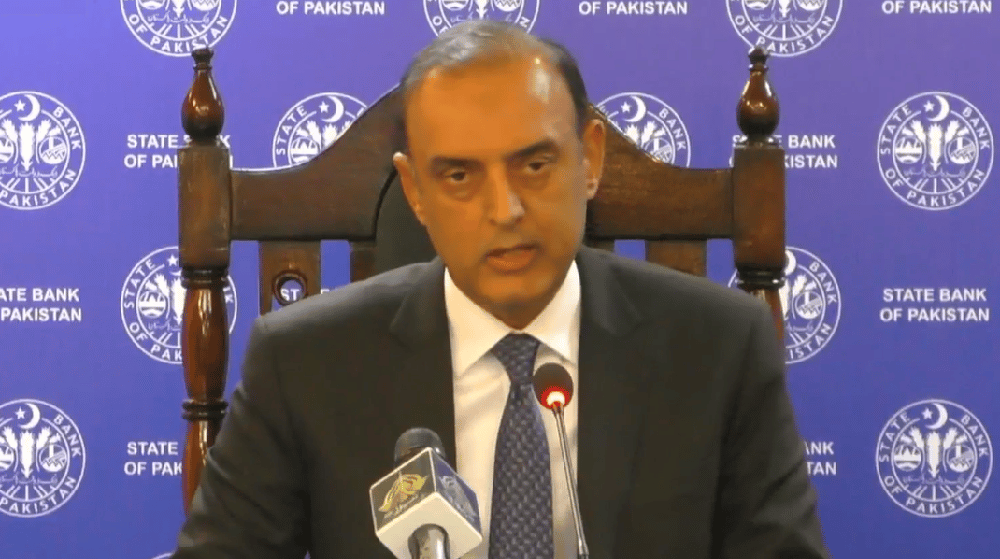
Despite recent improvements in Pakistan’s macroeconomic indicators, the country continues to face deep-rooted structural challenges, with a persistently low domestic savings rate topping the list, cautioned State Bank of Pakistan (SBP) Governor Jameel Ahmad.
Speaking at a seminar in Karachi on Monday, the central bank chief emphasized the urgent need to address this issue to ensure sustainable economic growth.
Citing the latest Pakistan Economic Survey, Jameel Ahmad revealed that Pakistan’s domestic savings rate stands at a mere 7.4 percent of GDP, significantly lagging behind the South Asian average of 27 percent and East Asia’s 41 percent.
“This low savings rate forces Pakistan to rely heavily on foreign inflows to meet its development needs,” he said. “But this reliance has come at a cost, contributing to repeated balance of payment crises, instability in foreign exchange markets, and inflationary pressures, all of which have weakened our growth momentum over time.”
The SBP governor stressed that mobilizing domestic savings and channeling them into productive investments is critical to breaking the cycle of economic booms and busts.
Turning to Pakistan’s capital markets, Jameel Ahmad highlighted the progress made in the government bond market over the past two decades. The market now offers a variety of securities, including fixed-rate, floating-rate, and Sharia-compliant options with different maturities. However, he noted that the market remains heavily concentrated within the banking system, limiting its broader impact.
To address this, the SBP has introduced several reforms aimed at broadening access and deepening the bond market. These include:
These reforms aim to diversify the investor base, enhance liquidity, and make the sovereign segment more resilient,” he said.
The SBP governor also pointed out the glaring absence of a robust corporate debt market in Pakistan. “Outstanding corporate bonds account for less than 1% of our GDP, a stark contrast to other Asian economies,” he said.
He noted that non-financial firms, as well as key sectors like manufacturing, infrastructure, and renewable energy, remain almost entirely dependent on bank loans for financing. This over-reliance on banks, he argued, underscores the need to develop a vibrant corporate debt market to support long-term economic growth.
Jameel Ahmad concluded by reiterating the importance of addressing Pakistan’s structural challenges, particularly the low savings rate and underdeveloped capital markets. “These issues are not just economic; they are systemic. Without meaningful reforms, Pakistan will continue to face the same cycles of instability and missed opportunities,” he warned.
About the Author
Written by the expert legal team at Javid Law Associates. Our team specializes in corporate law, tax compliance, and business registration services across Pakistan.
Verified Professional
25+ Years Experience