
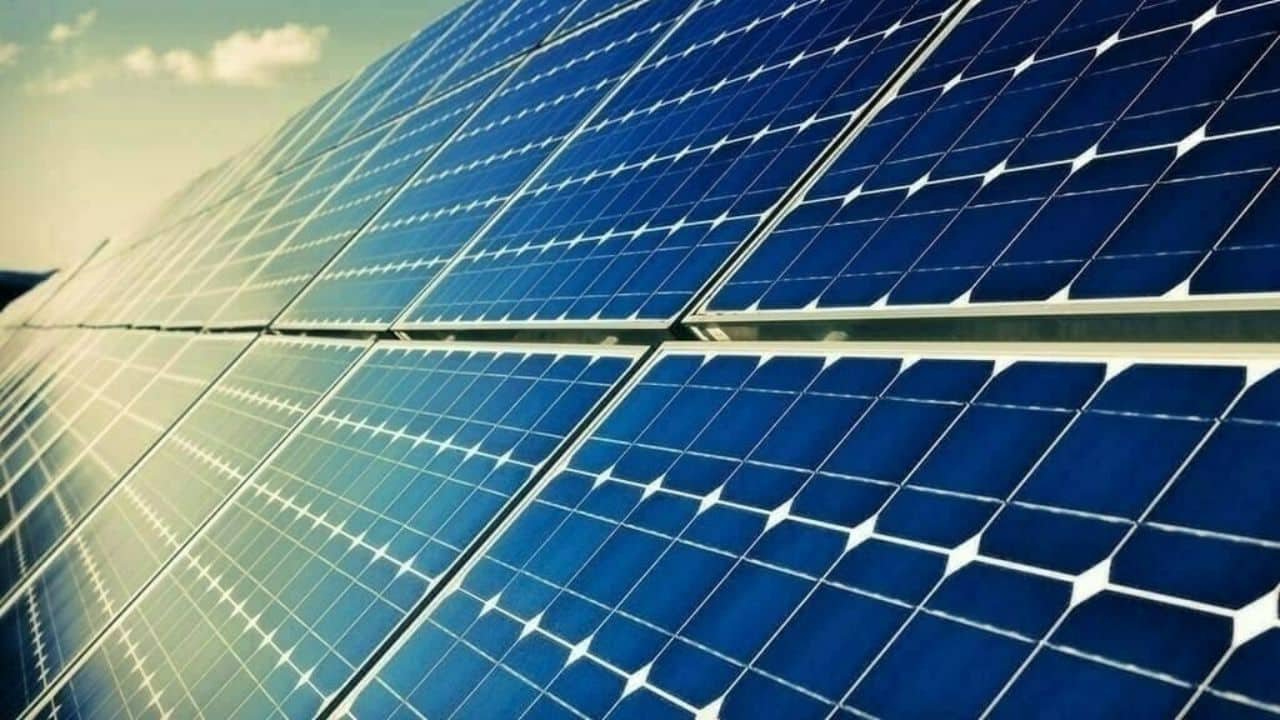
Pakistan’s rapid adoption of rooftop solar is poised to surpass daytime electricity demand on the national grid in key industrial regions for the first time next year, a senior government official revealed at the COP30 climate conference in Brazil.
Aisha Moriani, Secretary of the Ministry of Climate Change and Pakistan’s lead negotiator at COP30, told Reuters that cities like Lahore, Faisalabad, and Sialkot are expected to experience “negative grid-linked demand” during certain daylight hours. This means that solar generation from homes and businesses will completely offset, or even exceed, the need for grid-supplied electricity in these areas.
The shift comes amid a record surge in solar panel installations across the country, driven by frequent power cuts and rising electricity tariffs. Pakistan is now the world’s third-largest importer of solar panels, with solar’s share in national power generation even outpacing neighboring China.
While negative demand events, where solar output exceeds grid demand, are common in parts of Europe and Australia, Pakistan is set to become one of the first major emerging markets to see this trend in its industrial heartlands for extended periods, especially during bright summer afternoons, industrial holidays, and days with moderate temperatures.
However, the solar boom is also disrupting the finances of Pakistan’s already debt-laden utilities, as reduced demand for grid electricity cuts into their revenues. In response, the government is planning to introduce new tariffs for large solar users and revise fee structures to ensure that businesses with solar panels contribute fairly to grid maintenance costs.
Grid-linked power demand in Pakistan is projected to grow by 3-4% this year, slower than historical averages. While consumption is expected to pick up next year, the continued rise in solar adoption could temper that growth, Moriani noted.
The surge in solar power has also prompted Pakistan to renegotiate its liquefied natural gas (LNG) contracts. The country is seeking lower prices, more flexible delivery schedules, and potentially fewer cargoes from top supplier Qatar, and has already canceled some shipments from Italy’s Eni.
“The key aim is to align Pakistan’s gas import strategy with fiscal space, demand outlook, and seasonal patterns. Pakistan seeks stability and affordability, not expansion of LNG dependency,” Moriani said.
About the Author
Written by the expert legal team at Javid Law Associates. Our team specializes in corporate law, tax compliance, and business registration services across Pakistan.
Verified Professional
25+ Years Experience