
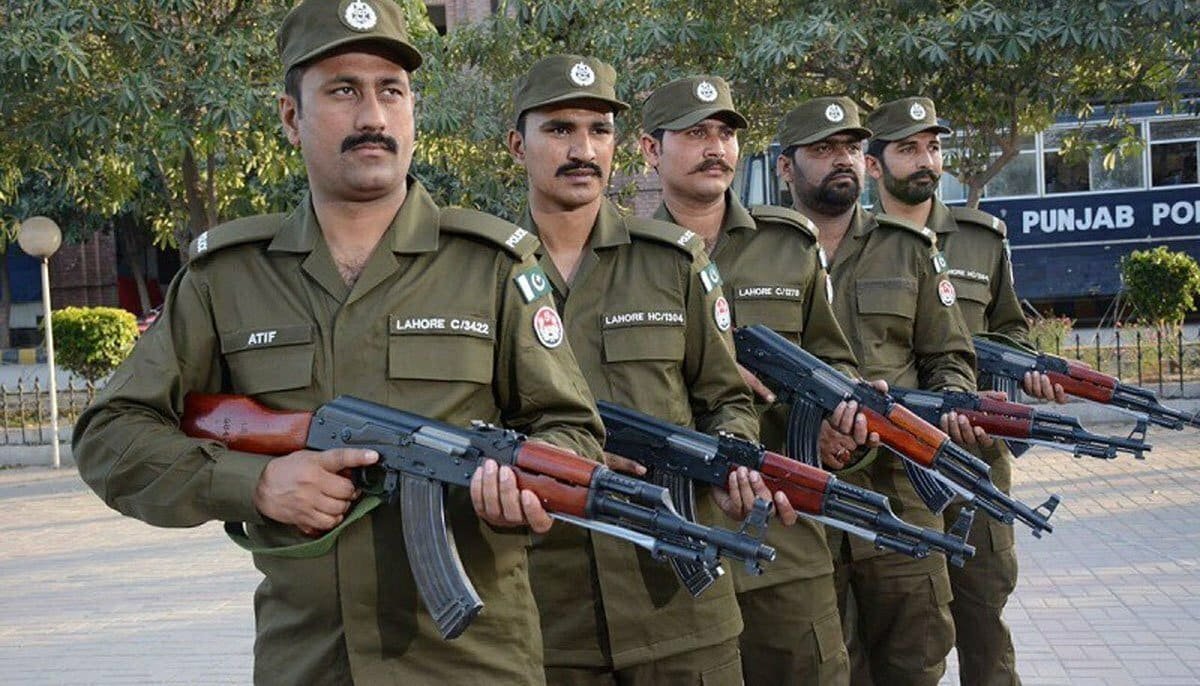
Transparency International Pakistan’s National Corruption Perception Survey (NCPS) 2025 paints a telling picture of the country’s ongoing struggle with corruption, with the police once again perceived as the most corrupt sector nationwide.
According to the survey, 24% of respondents identified the police as the most corrupt institution, with this perception highest in Punjab at 34%. Tender and procurement processes followed as the second most corrupt sector (16%), while the judiciary ranked third (14%).
Despite these persistent concerns, the survey also points to a sense of economic stabilization. A significant portion of respondents, 40% partially and 18% fully, agreed that the government has managed to stabilize the economy, crediting the IMF agreement and Pakistan’s exit from the FATF grey list as key factors. However, economic pressures remain, with 57% of respondents saying their purchasing power has decreased over the past year, while 43% reported an increase.
On the issue of bribery, the survey found that 66% of citizens did not pay a bribe to access public services in the past 12 months. Still, regional disparities persist, with Sindh reporting the highest incidence of bribery (46%), followed by Punjab (39%), Balochistan (31%), and Khyber Pakhtunkhwa (20%).
Public dissatisfaction with anti-corruption efforts remains high, as 77% of respondents expressed discontent with the government’s performance in this area. Dissatisfaction was most pronounced in Balochistan (80%), followed by Punjab (78%), Khyber Pakhtunkhwa (75%), and Sindh (75%).
The survey also highlights a strong demand for greater accountability and oversight, with 78% of respondents saying that anti-corruption bodies like NAB and FIA should themselves be held accountable, citing a lack of transparency, independent oversight, and concerns over political victimization.
The top three causes of corruption identified by citizens were lack of accountability (15%), lack of transparency and limited access to information (15%), and delays in resolving corruption cases (14%). A majority (59%) viewed provincial governments as more corrupt than local governments.
Corruption in the healthcare sector was also seen as having a severe impact, with 67% of respondents highlighting its negative effects on people’s lives. Hospitals (38%), doctors (23%), and pharmaceutical companies (21%) were identified as the main sites of corruption in healthcare.
The survey further revealed that 70% of respondents are unaware of official channels to report corruption, and among those who are aware, only 43% have ever reported an incident.
There is strong public support for banning or regulating business funding to political parties (83% combined), and 55% back a complete ban on using party names and leaders’ images in public advertisements. Additionally, 42% said they would feel safe reporting corruption if strong whistleblower protection laws were in place.
On charitable institutions, 51% believe tax-exempt NGOs and organizations should not charge fees, and 53% want them to publicly disclose donor information. Anonymity (38%) and rewards (37%) were cited as the top motivators for reporting corruption.
About the Author
Written by the expert legal team at Javid Law Associates. Our team specializes in corporate law, tax compliance, and business registration services across Pakistan.
Verified Professional
25+ Years Experience