
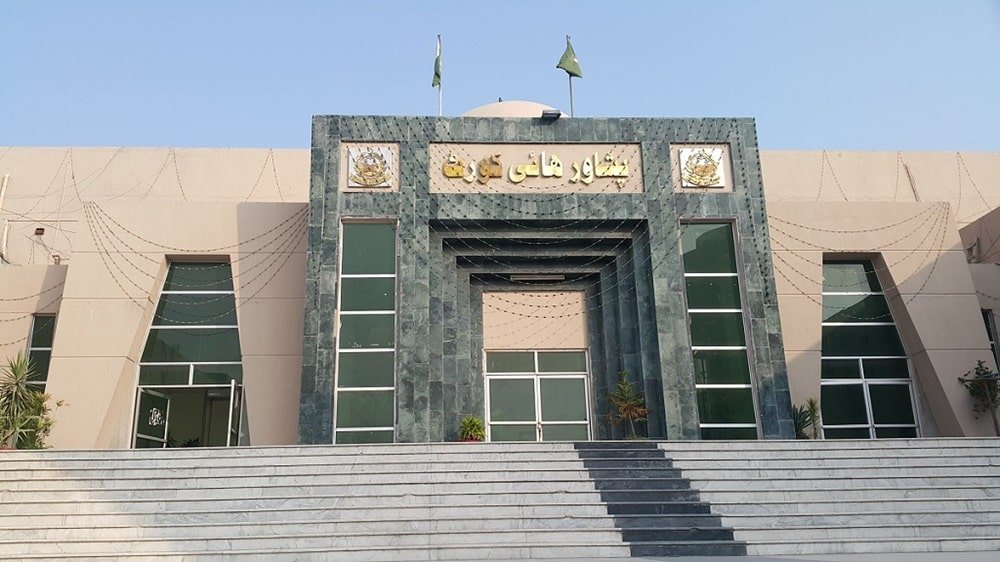
In the dynamic landscape of Pakistani taxation, staying abreast of judicial interpretations and regulatory updates is paramount for business continuity and financial health. Recently, significant attention has been drawn to the adjustability of minimum tax under Section 44(4) of the Income Tax Ordinance, 2001. Rulings by the Appellate Tribunal Inland Revenue (ATIR) and various High Courts have brought forth critical insights that every taxpayer, particularly business owners and their advisors, must understand. This article delves into these recent developments, offering clarity on the implications for your business.
Understanding Section 44(4) and Minimum Tax
Section 44 of the Income Tax Ordinance, 2001, deals with the charge of tax. Subsection (4) specifically addresses the minimum tax levied on certain companies whose tax liability, when calculated on their taxable income under the normal provisions, falls below a prescribed percentage of their turnover. This minimum tax acts as a floor, ensuring a baseline tax contribution even for companies with low or no taxable profits due to various deductions, exemptions, or losses. The core principle is to prevent erosion of the tax base and ensure that businesses contribute a minimum level of tax irrespective of their reported profit margins.
The Core Dispute: Adjustability of Minimum Tax Paid
The crux of the legal challenges and recent rulings lies in the interpretation of whether the minimum tax paid in a year, which exceeds the normal tax liability, can be adjusted against the normal tax liability in subsequent years when the normal tax liability surpasses the minimum tax. Historically, the application of this provision has been a subject of debate, leading to litigation.
Key Legal Questions Addressed by ATIR and High Courts:
- Can excess minimum tax paid in a prior year be carried forward as a credit against the normal tax liability in a future year?
- What are the conditions and limitations, if any, on such adjustments?
- How do these rulings impact the tax planning strategies of businesses?
ATIR Rulings: A Trend Towards Adjustability
The Appellate Tribunal Inland Revenue (ATIR) has, in several recent cases, taken a progressive stance on the adjustability of minimum tax. These rulings often hinge on the interpretation of the Ordinance and the intent behind the minimum tax provisions. The ATIR has frequently held that the intent is not to penalize profitable businesses but to ensure a minimum contribution. Therefore, if a taxpayer has discharged their tax obligation by paying minimum tax, the excess paid over the normal tax should ideally be available for future adjustments.
Illustrative Scenario (ATIR Perspective):
Consider a company, 'Alpha Pvt Ltd.', which paid PKR 500,000 as minimum tax in Tax Year 2023, while its normal tax liability was only PKR 200,000. The excess of PKR 300,000 was paid. In Tax Year 2024, Alpha Pvt Ltd.'s normal tax liability amounts to PKR 700,000. According to the ATIR's prevailing view in similar cases, the company should be able to adjust the excess PKR 300,000 paid in TY 2023 against its normal tax liability of PKR 700,000 for TY 2024, thus reducing its current year's tax payment to PKR 400,000 (PKR 700,000 - PKR 300,000).
High Court Interventions: Strengthening the Case for Adjustability
Complementing the ATIR's position, several High Courts across Pakistan have also examined and, in many instances, upheld the principle of minimum tax adjustability. These judicial pronouncements provide significant weight to the taxpayer's argument, establishing a stronger precedent for businesses seeking to carry forward excess minimum tax payments.
Key High Court Decisions and Their Implications:
High Courts have often reasoned that taxing statutes must be interpreted reasonably. If a taxpayer has already paid tax in excess of their normal liability in one year, disallowing its adjustment in a subsequent year where the normal tax liability is higher would lead to an inequitable outcome, effectively resulting in double taxation or an arbitrary increase in the overall tax burden. The courts look for provisions within the Ordinance that permit such carry-forward and adjustment mechanisms, often drawing parallels with provisions related to the carry-forward of business losses or minimum tax on dividends.
Common Mistake to Avoid:
A common mistake is assuming that the minimum tax paid is a final tax liability with no carry-forward implications. Taxpayers might simply treat it as a one-off payment without exploring its potential for future adjustment. This can lead to overpayment of taxes over the years.
Practical Considerations for Businesses
For your business, these rulings have significant practical implications:
- Accurate Record-Keeping: It is crucial to meticulously maintain records of all tax payments, especially those made under Section 44(4), clearly segregating minimum tax from normal tax.
- Tax Planning: Incorporate the potential for minimum tax adjustability into your annual tax planning. This can influence decisions regarding depreciation, capital expenditure, and other deductible items.
- Proactive Claims: When filing your tax returns in subsequent years, ensure that you correctly claim the adjustability of excess minimum tax paid in prior years.
Actionable Steps:
- Review Past Filings: Analyze your tax returns for previous years to identify instances where minimum tax exceeded your normal tax liability.
- Consult Your Tax Advisor: Discuss these rulings with your Chartered Accountant or tax consultant to understand their specific applicability to your business situation.
- Document Your Position: If you intend to claim adjustments, ensure your documentation clearly substantiates the excess minimum tax paid and the basis for its adjustment.
The Path Forward and Potential Challenges
While the trend in ATIR and High Court rulings is encouraging for taxpayers, it's important to note that tax laws can be complex, and interpretations can evolve. The Federal Board of Revenue (FBR) might issue clarifications or specific instructions regarding these rulings. Therefore, staying updated with FBR notifications and seeking professional guidance remains essential.
It is also crucial to distinguish between tax optimization (legal) and tax evasion (illegal). These rulings support legal tax planning and the correct application of existing tax laws. For comprehensive guidance on tax compliance and strategic tax planning, consider leveraging expert corporate legal services in Pakistan.
Conclusion
The recent ATIR and High Court rulings on the adjustability of minimum tax under Section 44(4) represent a significant development for Pakistani businesses. They offer a clearer pathway for taxpayers to leverage excess minimum tax payments against future tax liabilities, promoting fairness and predictability in the tax regime. By understanding these rulings and implementing sound record-keeping and tax planning practices, businesses can navigate these complexities effectively.
For personalized advice tailored to your specific business needs, feel free to contact our team of experts.
Key Takeaways:
- Minimum tax paid in excess of normal tax liability is increasingly being allowed for adjustment against future normal tax liabilities by ATIR and High Courts.
- Meticulous record-keeping of minimum tax payments is crucial for substantiating future adjustment claims.
- Businesses should proactively incorporate these rulings into their tax planning and ensure their tax advisors are aware of these developments.
Explore Our Services
View all servicesAbout the Author
Written by the expert legal team at Javid Law Associates. Our team specializes in corporate law, tax compliance, and business registration services across Pakistan.