
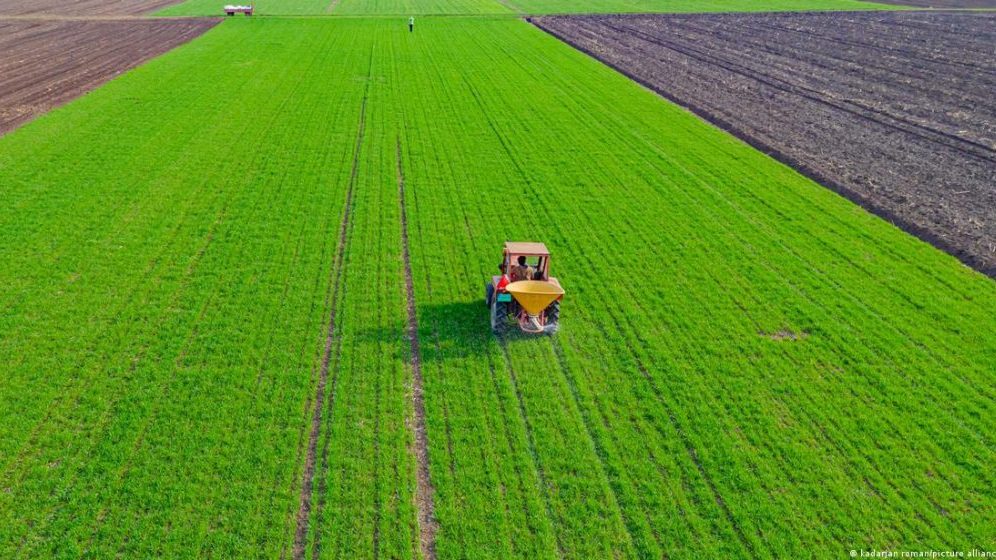
The Sindh government has postponed the implementation of up to 45% agriculture income tax for one year, restoring the previous maximum rate of 15% on agricultural earnings.
The move comes because the new, higher rates cannot be enforced retroactively from January this year, reported Express Tribune.
The decision, formalized through an ordinance promulgated by Sindh Governor Kamran Khan Tessori, means the agriculture sector, despite accounting for a quarter of Pakistan’s economy, will contribute only a fraction of what the salaried class pays in income tax. For comparison, revised estimates show the salaried class paid Rs. 575 billion in income tax during fiscal year 2024-25, while the agriculture sector’s contribution will remain in the low billions.
A senior Sindh Revenue Board official said the province is following Punjab’s lead, which deferred the new rates last month through a notification. The Sindh Agriculture Income Tax Amendment Ordinance 2025, promulgated on Tuesday and effective from January 1, 2025, nullifies the IMF-agreed tax rates and reinstates the old structure: a 5% tax on annual income exceeding Rs. 1.2 million, and 15% on income above Rs. 4.8 million.
All provincial governments had previously agreed with the federal government and the International Monetary Fund (IMF) to align provincial agriculture income tax rates with federal rates, starting January 2025, with collection to begin in July. However, the new ordinance delays this alignment by a year, citing practical difficulties in enforcing a 45% rate mid-fiscal year.
It remains unclear whether the IMF and World Bank have endorsed this delay, though Pakistani officials say they are in ongoing discussions with both lenders. The official noted that such practical difficulties are rarely considered for the salaried class, which faces a much lower no-tax threshold of Rs. 600,000 compared to Rs. 1.2 million for farm owners.
Under the restored rates, a Sindh farmer will pay no income tax on annual earnings up to Rs. 1.2 million, 5% on Rs. 2.4 million, 10% on Rs. 4.8 million, and a maximum of 15% above that. In contrast, federal tax rates for similar income levels are significantly higher, reaching up to 45% plus a 10% surcharge.
The ordinance also grants the Sindh government the authority to amend tax rates in the future via executive notification, bypassing the need for legislative approval. This mirrors Punjab’s approach, where the right to change tax rates rests with the executive rather than the provincial assembly, raising concerns about the erosion of parliamentary oversight.
Additionally, the new amendment allows the government to issue notifications that can retroactively change tax rates, provided the notification is presented to the provincial assembly during the next annual budget session.
The Punjab government had already issued similar executive orders on September 10, instructing that the new tax rates would only apply to income earned from July 2025 onward, with returns due in September 2026.
The delay in implementing higher agriculture income tax rates is likely to remain a contentious issue, especially as the IMF has previously hailed the alignment of provincial and federal tax regimes as a key reform milestone.
About the Author
Written by the expert legal team at Javid Law Associates. Our team specializes in corporate law, tax compliance, and business registration services across Pakistan.
Verified Professional
25+ Years Experience