
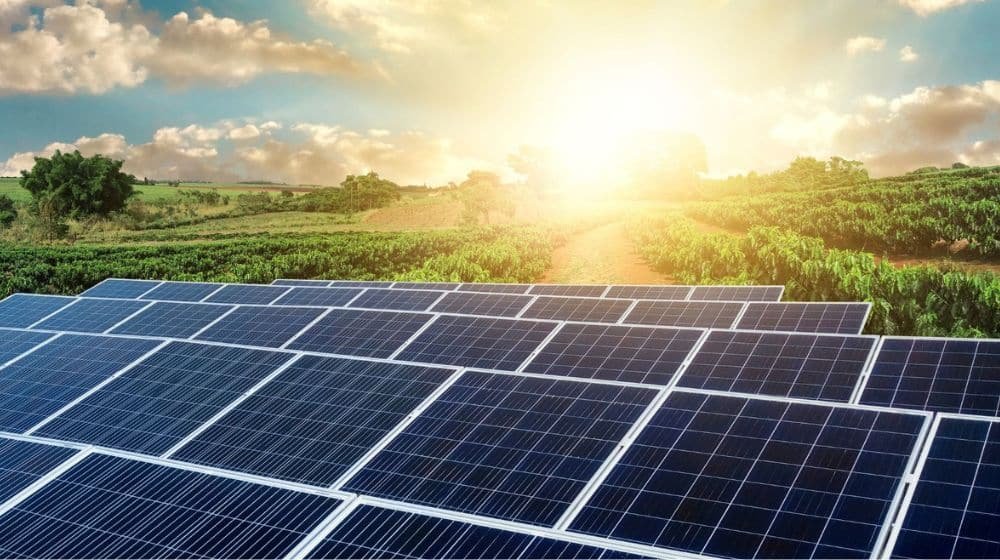
The widespread adoption of solar panels across Pakistan, coupled with provincial government initiatives to provide free or subsidized solar systems to low-income households, has created challenges for policymakers. The country, which is already paying over Rs. 2 trillion annually in capacity payments to power producers, is now grappling with the financial implications of this solarization trend.
During a recent meeting on the power sector, the issue was brought to the attention of the Prime Minister, according to a report by Business Recorder.
Provincial governments have announced ambitious plans to distribute solar panels to households. The Sindh government aims to provide solar systems to 200,000 households, while Punjab and Khyber Pakhtunkhwa have set targets of 100,000 each. Balochistan has announced plans to distribute 50,000 solar panels.
Meanwhile, wealthier consumers, including industrial and agricultural users, are increasingly turning to solar energy to offset high electricity tariffs. Many residential consumers are also installing rooftop solar systems, further reducing their reliance on the national grid. Provincial programs are primarily targeting lifeline consumers, who makeup 4% of the total consumer base, and protected consumers using 0-200 units per month, who account for 48% of total consumers.
Unverified estimates suggest that domestic consumers have already installed solar systems with a combined capacity of approximately 2,500 MW. This trend was a key topic of discussion during public hearings at the National Electric Power Regulatory Authority (NEPRA), where the current state of solar adoption was presented.
The Power Division has raised concerns that as more consumers shift to solar energy, the burden of capacity payments will increasingly fall on those who remain connected to the national grid. If the current rate of solar adoption continues, it is projected that electricity tariffs for grid-connected consumers could rise by Rs 2.50 per unit by 2034 to cover capacity payments to power producers.
The growing use of solar energy has already led to an 8-10% reduction in grid energy sales and demand, particularly during daylight hours. This decline is attributed to the increased penetration of solar systems. For instance, a typical 10 kW net-metering system allows consumers to avoid paying the grid’s fixed cost of Rs. 20 per unit by relying more on solar power. On average, the fixed costs avoided by behind-the-meter solar installations amount to Rs. 7 per unit.
In the fiscal year 2023-24, approximately Rs. 200 billion in grid fixed costs were shifted to non-solar consumers, resulting in a tariff increase of Rs. 2 per kWh for these users. With continued solar imports, grid demand is expected to decline further, potentially exceeding a 10% reduction. Estimates suggest that this could lead to a 17% increase in the base tariff.
For the current fiscal year, a 5% reduction in grid demand due to solar integration is expected to shift Rs. 131 billion in costs to non-solar consumers annually. If this reduction doubles to 10%, the cost burden on non-solar users could rise to Rs. 261 billion per year.
Editorial & Legal Practice Group
Authored and reviewed by the corporate law and tax litigation practice group at Javid Law Associates. Our team comprises High Court advocates, corporate legal advisors, and authorized tax practitioners across Pakistan.
Advocates High Court & Tax Counsel
Jurisdiction: Pakistan