
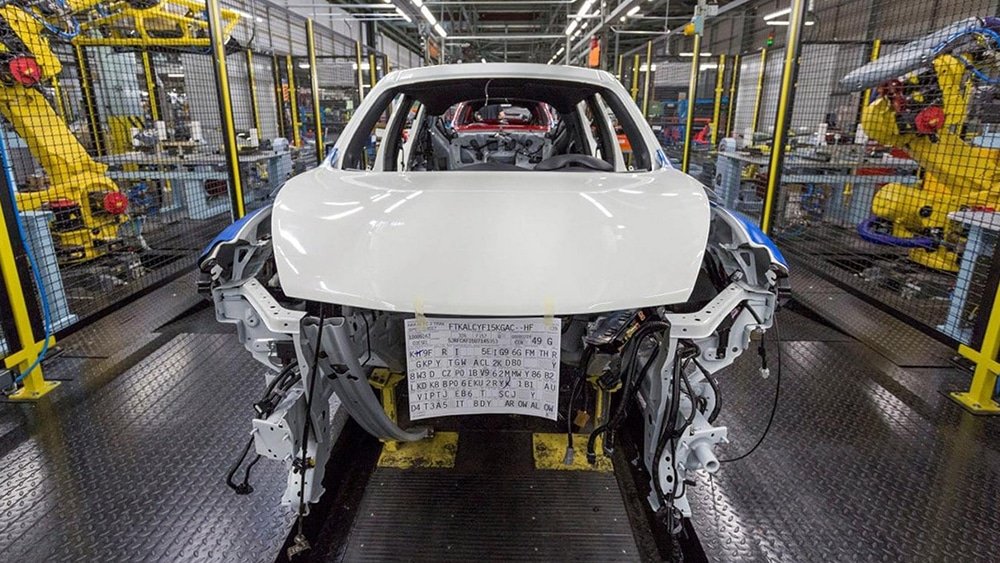
In Pakistan's dynamic economic landscape, fostering industrial growth is paramount. For businesses looking to expand, modernize, or establish new manufacturing operations, understanding and leveraging available tax incentives is no longer just an option – it's a strategic imperative. Among the most significant of these is the tax credit available under Section 65B of the Income Tax Ordinance, 2001, specifically designed to encourage investment in the manufacturing sector. This guide aims to demystify Section 65B, providing business owners, tax professionals, and corporate decision-makers with the clarity and actionable insights needed to capitalize on this powerful incentive.
Why Section 65B Matters Now: A Timely Opportunity
The Pakistani government consistently seeks to attract and retain investment in its manufacturing base, recognizing its crucial role in job creation, export promotion, and overall economic development. Section 65B is a testament to this commitment. With evolving economic conditions and a continuous drive for industrial self-sufficiency, businesses that proactively explore these tax credits can gain a significant competitive edge. Understanding the nuances of this provision allows for more effective financial planning, optimises your tax liability, and ultimately enhances the profitability and sustainability of your manufacturing ventures. This isn't just about saving money; it's about strategically positioning your business for future success.
Understanding Section 65B: The Core of the Incentive
Section 65B of the Income Tax Ordinance, 2001, provides a mechanism for taxpayers to claim a tax credit on their investments made in new or existing manufacturing units. This credit is directly applied against the tax payable, effectively reducing the overall tax burden for qualifying businesses. The primary objective is to incentivize the establishment of new industrial undertakings and the expansion of existing ones, thereby stimulating economic activity and creating employment opportunities.
Eligibility Criteria: Who Qualifies?
To benefit from Section 65B, your business must meet specific criteria. These generally include:
- Nature of Business: The investment must be in a 'manufacturing undertaking'. This is a critical distinction, and the Federal Board of Revenue (FBR) often scrutinizes the definition of manufacturing. Generally, it involves the process of transforming raw materials into finished goods through mechanical or chemical operations. Services, trading, or purely assembly operations might not qualify without further processing or value addition that constitutes manufacturing.
- Type of Investment: The credit applies to investments in new plant and machinery. This can include setting up a completely new manufacturing facility or expanding an existing one with new machinery.
- Machinery Acquisition: The plant and machinery must be acquired on or after a specified date (as per the relevant Finance Act or SROs, which can change annually). It's crucial to refer to the latest legal provisions for the exact acquisition period.
- Depreciable Assets: The plant and machinery must be assets on which depreciation is admissible under the Income Tax Ordinance, 2001.
- Taxpayer Status: The credit is typically available to companies registered under the Companies Act, 2017, and potentially other entities that qualify as taxpayers under the Ordinance.
Calculating the Tax Credit: How it Works
The quantum of the tax credit is generally a percentage of the qualifying investment in new plant and machinery. The exact percentage and the method of calculation have been subject to amendments through Finance Acts and SROs over the years. However, the principle remains consistent: a portion of your capital expenditure on qualifying assets translates directly into a reduction of your tax liability.
For instance, if the prevailing provision allows a 10% tax credit on qualifying investment, and you invest PKR 10 million in new machinery for your manufacturing unit, you could be eligible for a tax credit of PKR 1 million, which can be offset against your income tax liability for that year and potentially subsequent years, subject to carry-forward provisions.
Key Requirements and Documentation
Successful availing of Section 65B tax credits hinges on meticulous record-keeping and adherence to procedural requirements. Essential documentation typically includes:
- Invoices and payment proof for the acquired plant and machinery.
- Import documents (if applicable).
- Installation reports and commissioning certificates.
- Depreciation schedules reflecting the new assets.
- A detailed computation of the eligible investment and the resultant tax credit.
- Where applicable, evidence of the manufacturing process and product.
It is imperative to maintain all original purchase documents and ensure they clearly distinguish between qualifying new machinery and used or non-qualifying assets.
Navigating the Nuances: Common Pitfalls and Expert Insights
While the provision for Section 65B is straightforward in principle, its application can involve complexities. Understanding these nuances can prevent costly errors and ensure you fully benefit from the incentive.
Common Mistakes to Avoid:
- Misinterpreting 'Manufacturing': Not all businesses claiming to be manufacturers qualify. Operations that primarily involve simple assembly or trading without significant transformation may be disallowed.
- Acquisition of Used Machinery: Section 65B typically applies to new plant and machinery. Investing in used equipment, even if for manufacturing purposes, usually does not qualify for this specific credit.
- Incomplete Documentation: Insufficient or missing documentation for the acquisition and installation of machinery is a primary reason for disallowance by tax authorities.
- Non-Adherence to Timelines: The acquisition of machinery must be within the specified period defined by the relevant Finance Act or SRO. Missing this window means losing the opportunity for that year's credit.
- Claiming Credits on Non-Depreciable Assets: The machinery must be a depreciable asset. Assets like land or buildings do not qualify.
Pro Tip: Engage a qualified tax advisor early in the investment process. They can help confirm eligibility, structure the acquisition appropriately, and ensure all documentation requirements are met from the outset. For businesses considering significant capital expenditures or company registration in Pakistan, understanding these incentives upfront can influence location and investment decisions.
Expert Insights:
Industry experts emphasize that the FBR often conducts thorough audits of tax credit claims. Therefore, it is crucial to maintain robust internal controls and documentation. Businesses that have a clear, auditable trail for their investment in qualifying manufacturing assets are far more likely to have their claims accepted without issue.
Furthermore, staying abreast of annual budget changes and FBR circulars is vital. The provisions of Section 65B, including the percentage of credit, eligible periods, and specific definitions, can be modified with each Finance Act. For instance, amendments might be introduced to further encourage investment in specific sub-sectors of manufacturing or to incentivize the use of locally manufactured machinery. Keeping this information current is crucial, especially when planning for long-term projects or when navigating the company registration process in Pakistan.
Steps to Avail the Section 65B Tax Credit
Follow these steps to effectively claim the tax credit under Section 65B:
- Verify Eligibility: Confirm that your business activity and the intended investment in plant and machinery align with the current requirements of Section 65B.
- Acquire Qualifying Assets: Purchase new plant and machinery within the stipulated acquisition period. Ensure all invoices and payment records are accurate and complete.
- Document Everything: Meticulously gather all supporting documents, including invoices, delivery challans, installation reports, and commissioning certificates.
- Calculate the Credit: Determine the eligible investment amount and calculate the tax credit based on the applicable percentage as per the Income Tax Ordinance, 2001, and subsequent amendments.
- File Your Tax Return: Claim the calculated tax credit when filing your company's income tax return for the relevant tax year. Ensure the credit is accurately reflected in the computation of total tax liability.
- Maintain Records: Keep all documentation readily available for a minimum of six years (or as prescribed by law) for potential future audits.
Action Item: Create a dedicated checklist for Section 65B claims, cross-referencing with the latest FBR guidelines and your specific business operations. This will streamline the process and minimise oversight.
Beyond Tax Credits: A Broader Investment Context
While Section 65B offers significant financial advantages, businesses should also consider other aspects of their investment strategy. This includes ensuring smooth company registration Pakistan, obtaining necessary licenses (like an Import Export License Pakistan if applicable), and understanding other regulatory requirements. A holistic approach ensures that your manufacturing investment is not only tax-efficient but also fully compliant and operationally sound.
For those embarking on a new manufacturing venture or looking to expand, comprehensive corporate legal services Pakistan can be invaluable in navigating the complexities of business setup, compliance, and incentive utilization.
Summary of Key Takeaways:
- Section 65B offers a valuable tax credit for investments in new manufacturing plant and machinery.
- Strict adherence to eligibility criteria, particularly the definition of 'manufacturing' and the acquisition of 'new' machinery, is crucial.
- Meticulous documentation and record-keeping are paramount for a successful claim.
- Staying updated on legislative amendments and FBR circulars is essential for accurate claims.
By strategically leveraging Section 65B, Pakistani businesses can significantly reduce their tax burden, enhance investment returns, and contribute to the nation's industrial advancement. Proactive planning and expert guidance are key to unlocking the full potential of these incentives.
Explore Our Services
View all servicesAbout the Author
Written by the expert legal team at Javid Law Associates. Our team specializes in corporate law, tax compliance, and business registration services across Pakistan.