
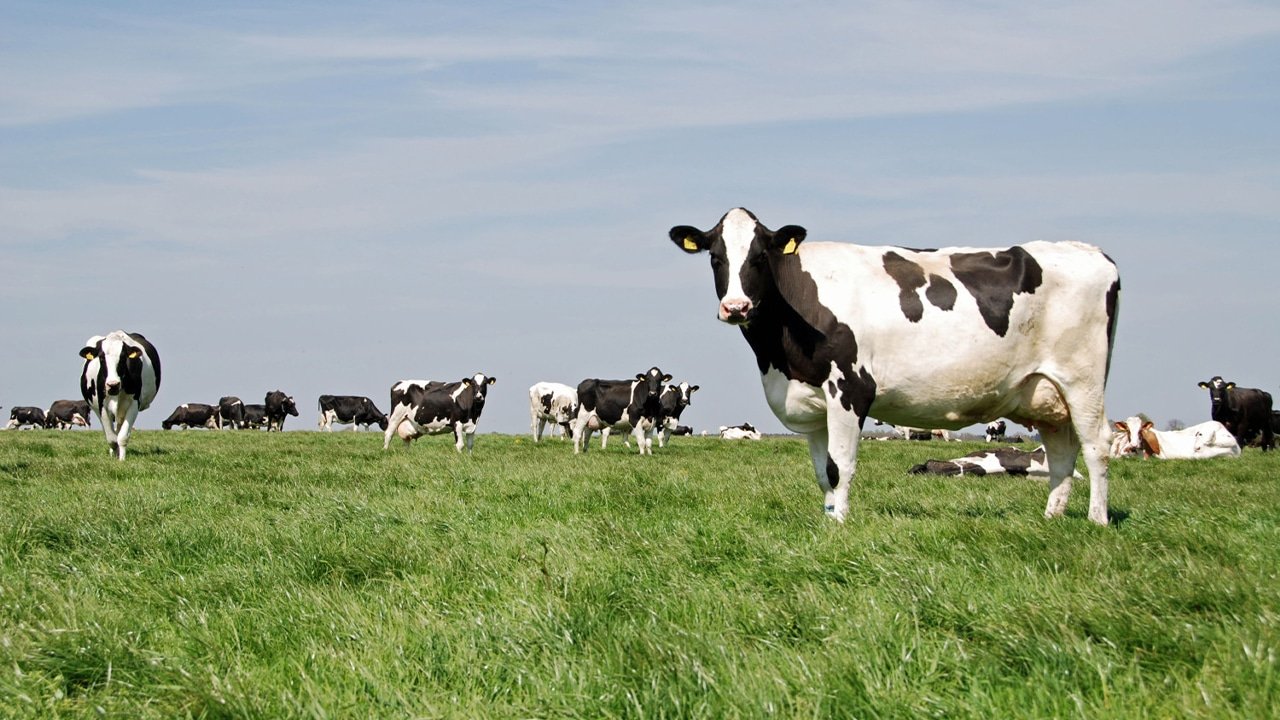
When we think of Pakistan’s agricultural landscape, our minds often drift to cotton fields swaying in the breeze or the vibrant hues of wheat and rice. Pakistan’s economy runs on agriculture, but while textile, wheat, and rice dominate headlines, another industry that quietly pumps billions into GDP is the Dairy sector. A sector that remains largely overlooked and a powerhouse of potential that has been historically underdeveloped.
Producing an impressive 70.1 billion liters of milk annually, Pakistan stands as the fourth-largest milk producer in the world. Despite this, the dairy sector remains an untapped goldmine, with most farmers grappling with small herds, lack of financing, and outdated infrastructure. Although dairy contributes 14% to the GDP, it remains fragmented, informal, and largely overlooked.
Fortunately, Banks like HBL and its subsidiaries, HBL Zarai Services Limited and HBL Asset Management Ltd. (AMC), are challenging this trend by investing in the dairy sector.
This strategic move by financial institutions is not a philanthropic endeavor; it represents a calculated approach to tap into a rapidly growing market with significant potential for returns.
By financing dairy farmers and supporting the development of dairy infrastructure, they are fostering sustainable agricultural practices while simultaneously diversifying their investment portfolios.
The dairy sector offers banks a unique opportunity to engage with a vital segment of the economy, ensuring a steady flow of revenue through interest on loans and financial services. Moreover, as consumer demand for dairy products continues to rise, banks stand to benefit from the growth of this sector, making it a win-win situation for both the financial institutions and the agricultural community.
The challenges faced by dairy farmers, including small herd sizes, inadequate veterinary services, and limited access to finance, perpetuate a cycle of poverty and low productivity that many struggle to break free from.
Smallholder farmers, who make up over 80% of rural households and typically own fewer than five animals, struggle with low productivity and limited access to resources. The average milk yield per animal is only 5-8 liters per day, significantly lower than the global average of 39 liters, due to poor genetics, inadequate nutrition, and minimal veterinary care. Rising input costs and fluctuating fodder prices further strain farmers’ budgets. Additionally, the lack of extension services and proper cold chain facilities leads to significant milk wastage, with over 26% lost during storage and transportation.
Access to affordable finance is essential for growth; however, many farmers depend on expensive informal loans because the formal banking sector has historically been hesitant to lend due to perceived risks and collateral challenges.
Traditional banking wisdom says livestock is too risky. HBL disrupted this thinking by investing in a financing model to support this largely untapped industry. This paradox of massive potential trapped in subsistence farming is where HBL saw opportunity.
With over PKR 7 billion disbursed through its Dairy & Livestock Finance, HBL has supported more than 4,000 farmers, enabling them to upgrade their herds and adopt better dairy farming practices. The Bank addresses the specific credit needs of dairy farmers with tailored financial solutions. These funds help farmers maintain operations year-round, covering essential costs such as feed, labor, and utilities, thereby avoiding yield drops during lean seasons.
Financial literacy is another critical component in empowering farmers. Many smallholders lack the knowledge and skills to navigate the formal banking system, making it essential for banks like HBL to invest in educational programs that teach farmers about financial management, credit options, and the benefits of formal banking.
“HBL strategically began tapping into the dairy financing sector, recognizing its immense potential for growth and financial inclusion, particularly among smaller farmers who have traditionally been underserved. It is clear that true sustainability in agricultural banking hinges on integrating robust dairy and livestock financing. Our proposition is designed to empower these farmers to upscale their operations, significantly enhance domestic milk supply, and ultimately contribute to a more vibrant national economy,” said Aamir Kureshi, Head of Products, Transactional Services & Solution Delivery – HBL
The Bank is further investing in the dairy and livestock through its wholly owned subsidiary, HBL Zarai Services Limited, which plays a pivotal role in supporting farmers to optimize their practices, ensuring healthier livestock and more productive farms.
Another subsidiary of the Bank, HBL Asset Management Ltd. (AMC) has recognized the potential of this sector and is actively supporting livestock farmers. The company provides the necessary capital for farmers to enhance their operations, allowing them to expand their capacity and improve their practices.
The bank is not only addressing the financial constraints faced by livestock farmers but also integrating a cash-based business into the banking system. This approach has the potential to enhance tax collection in the future and create new markets for exports.
For now, one question lingers: As competitors watch, will Pakistan’s dairy sector finally get the cash cow it deserves? There is still a long way to go and only time will tell if HBL’s bet will prove that dairy isn’t just a villager’s trade, it’s a scalable industry.
The Banking industry’s pioneering approach to financing dairy & livestock sector could unlock transformative growth across Pakistan’s agricultural economy. By bridging the critical funding gap in livestock development, it can revolutionize traditional farming practices while creating substantial employment opportunities nationwide.
As farms scale operations with access to proper financing, veterinary care, and modern techniques, Pakistan’s dairy output could see dramatic improvements in both quantity and quality – potentially positioning the nation as a global player in dairy exports.
This financial intervention represents more than just capital injection; it’s an opportunity to elevate subsistence farming into a professionally managed industry that benefits farmers, consumers, and the broader economy alike.
About the Author
Written by the expert legal team at Javid Law Associates. Our team specializes in corporate law, tax compliance, and business registration services across Pakistan.
Verified Professional
25+ Years Experience