
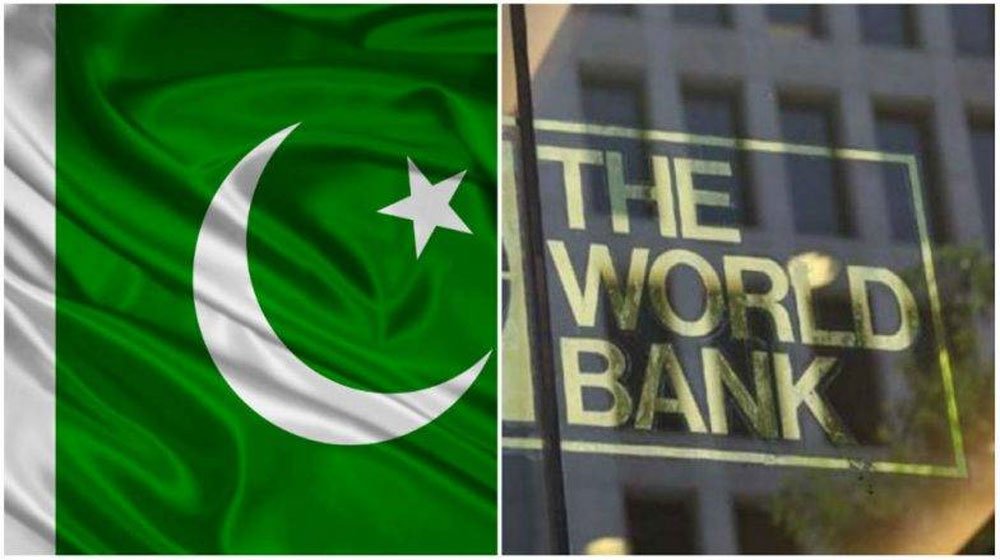
The World Bank has called on Pakistan to overhaul its preferential trade agreements, adopt a market-driven exchange rate, and implement deeper structural reforms to reverse more than three decades of declining exports and put the economy on a sustainable growth path.
In a policy note to the government, the Bank said Pakistan’s exports have fallen from 16% of GDP in the 1990s to just 10% in 2024, with the export basket still dominated by low-value textiles and agricultural products. Instead of export-led growth, the economy has relied on debt and remittance-fueled consumption, leaving the country vulnerable to external shocks.
The Bank urged Pakistan to maintain a flexible exchange rate, phase out ad hoc central bank interventions, and allow the rupee to reflect genuine supply and demand. It also recommended publishing detailed interbank market data and encouraging broader participation from exporters, importers, and foreign investors to deepen the market.
Pakistan’s current trade agreements, the Bank noted, are limited in scope and underutilized, covering only a narrow set of goods and missing opportunities for integration into global value chains.
The World Bank advised the government to deepen existing agreements, expand coverage to services and investment, and actively pursue new deals with non-traditional markets such as Sub-Saharan Africa and Latin America.
Underlying the country’s weak export performance are high input costs, excessive regulation, and a heavy state presence in the economy, including more than 200 state-owned enterprises. The Bank said these factors, along with high energy and logistics costs, have undermined productivity and deterred private investment.
The World Bank welcomed recent tariff reforms but said they must be complemented by a flexible exchange rate, full operationalization of the EXIM Bank of Pakistan, and stronger trade facilitation. It also called for building the capacity of the National Tariff Commission to monitor and implement anti-dumping measures and for regular consultations with exporters to ensure trade agreements align with business needs.
Without these reforms, the Bank warned, Pakistan risks continued boom-bust cycles, missed export opportunities, and a further erosion of investor confidence.
About the Author
Written by the expert legal team at Javid Law Associates. Our team specializes in corporate law, tax compliance, and business registration services across Pakistan.
Verified Professional
25+ Years Experience