
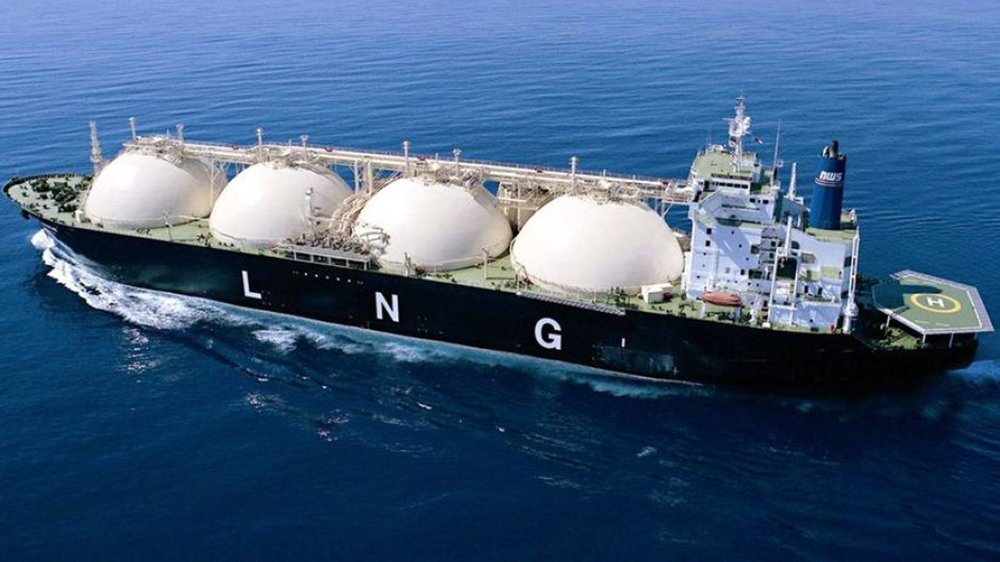
The global trade in liquefied natural gas (LNG) increased 6 percent to 380 million tonnes during 2021 as many countries rebounded from the economic impact of the COVID-19 pandemic, according to Shell’s latest annual LNG Outlook published today.
Rising LNG demand, combined with supply constraints, caused gas and LNG prices to remain volatile throughout the year. Prices reached record levels in October 2021 as Europe, with historically low storage levels, struggled to secure LNG cargoes to meet expected winter gas demand.
The volatility emphasizes the need for a more strategic approach to secure reliable and flexible gas supply in the future to avoid exposure to price spikes. A LNG supply-demand gap is expected to emerge in the mid-2020s and focuses attention on the need for more investment to increase supply and meet rising LNG demand, especially in Asia.
“Last year showed just how crucial gas and LNG are in providing communities around the world with the energy they need as they strived to get back on track following the difficulties caused by the COVID-19 pandemic,” said Wael Sawan, Integrated Gas, Renewables and Energy Solutions Director at Shell.
“As countries develop lower-carbon energy systems and pursue net-zero emissions goals, focusing on cleaner forms of gas and decarbonization measures will help LNG to remain a reliable and flexible energy source for decades to come,” he said further.
LNG exports grew in 2021 despite a number of unexpected outages that dented LNG available for delivery. The USA led export growth with a year-on-year increase of 24 million tonnes and is expected to become the world’s largest LNG exporter in 2022.
China and South Korea led the growth in LNG demand in 2021. China increased its LNG imports by 12 million tonnes to 79 million tonnes, surpassing Japan to become the world’s largest LNG importer.
In 2021, Chinese LNG buyers signed long-term contracts of more than 20 million tonnes a year, signaling an ongoing role for LNG in coal-to-gas switching in powering key sectors and helping to reach its ambition to be carbon neutral by 2060.
Overall, global LNG demand is expected to cross 700 million tonnes a year by 2040, a 90 percent increase in 2021 demand. Asia is expected to consume the majority of this growth as domestic gas production declines, regional economies grow and LNG replaces higher-emissions energy sources, helping to tackle concerns over air quality and to help progress towards carbon emissions targets.
LNG has a key role to play to further the use of renewable energy and as a backup in the event of intermittent supply. Brazil, for example, tripled imports of LNG during 2021 – to over 7 million tonnes – as persistent dry weather led to weaker hydropower generation.
Successful efforts to reduce emissions from natural gas and develop cleaner pathways will bolster this role. In 2021, momentum picked up for decarbonizing the LNG value chain with several announcements around investments to address emissions.
Editorial & Legal Practice Group
Authored and reviewed by the corporate law and tax litigation practice group at Javid Law Associates. Our team comprises High Court advocates, corporate legal advisors, and authorized tax practitioners across Pakistan.
Advocates High Court & Tax Counsel
Jurisdiction: Pakistan