
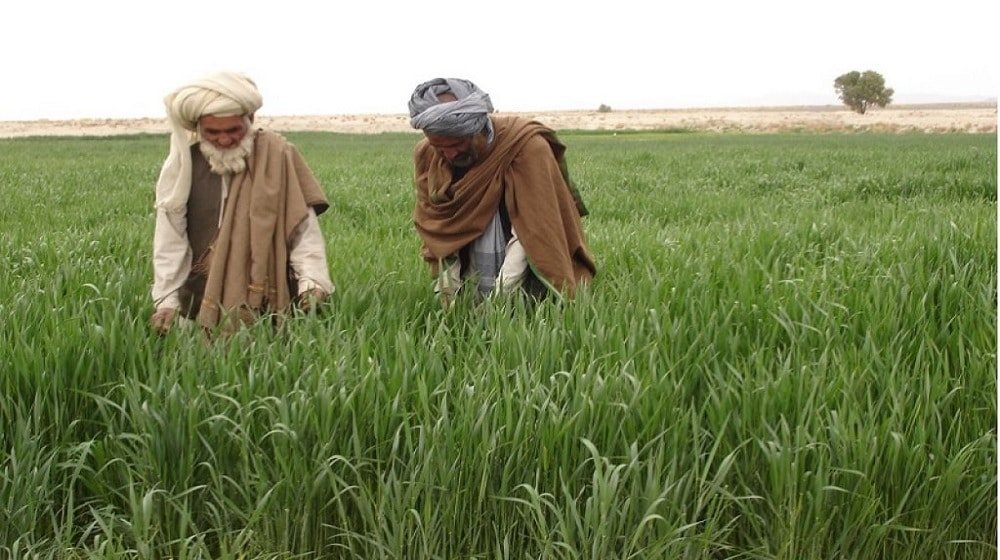
Out of the total population of farmers of 8.2 million, only 9.5 percent of the farmers are insured against disaster risk mainly through the government-run crop loan insurance schemes.
A report of the SECP on the insurance sector is an eye-opener for the agricultural sector in the country.
The report revealed that the government-run crop loan insurance schemes mainly include the Crop Loan Insurance Scheme and Lives Stock Borrowers Schemes by the State Bank of Pakistan and the Punjab Fasal Bema Scheme by the Government of Punjab.
The data disclosed that the insurance companies in Pakistan, offering agricultural insurance products, cannot charge a premium of more than 2 percent.
A report of the SECP on the insurance sector revealed that the price is neither actuarially determined nor revised considering the prevailing market conditions. Pricing agricultural insurance products is a critical aspect in designing products that are attractive and affordable to farmers, financially viable, and sustainable for insurers. It requires a long series of high-quality historical agricultural/weather data.
The price of agricultural insurance in competitive markets depends ultimately on the demand for and supply of insurance. However, the price of agricultural insurance (or insurance premium) is determined using actuarial-driven key factors, which mainly include the catastrophic load, expense load, and annual expected losses.
The annual expected loss is based on the loss frequency and the loss severity of the underlying risk. The respective sizes of the three components of the technical insurance premium depend on the products and the markets.
In addition to this, to be on the panel of the banks, insurance companies are pushed to further reduce the premium amount and currently, the prevailing premium rate is even less than 1.5 percent. The smaller insurance companies to be competitive offer lesser premiums which eventually also reduce their maximum exposure limits and ultimately the amount of sum insured.
The undercutting practice tends to decrease the market participants i.e. insurance companies exiting/abandoning the scheme due to low profit margins.
Editorial & Legal Practice Group
Authored and reviewed by the corporate law and tax litigation practice group at Javid Law Associates. Our team comprises High Court advocates, corporate legal advisors, and authorized tax practitioners across Pakistan.
Advocates High Court & Tax Counsel
Jurisdiction: Pakistan